An ADHD-supportive diet includes: Protein-rich foods (fish, lean meat, beans, eggs) for dopamine and norepinephrine production Healthy fats (avocado, olive oil, nuts, fatty fish) for brain cell health Colourful fruits and vegetables for antioxidants and anti-inflammatory effects Whole grains for stable blood sugar and consistent energy Monitor and Track Keep a symptom diary to objectively assess whether supplements are helping: Track mood, focus, sleep quality, and side effects daily Note any changes in ADHD symptoms If you see no improvement after 6-8 weeks, the supplement likely isn't helpingdiscontinue under medical guidance Remember: lack of effect is common and doesn't mean you've failed Stop Immediately If You Notice: Persistent stomach upset despite dose adjustments New or worsening anxiety, headaches, irritability, or sleep problems Any allergic reactions (rash, itching, swelling, difficulty breathing) Unusual fatigue, mood changes, or other concerning symptoms Watch for Interactions Some common interactions to be aware of: Iron can interfere with stimulant medication absorptiontake at different times Saffron may interact with antidepressants Omega-3s at high doses may increase bleeding risk with blood thinners Multiple supplements can have cumulative effects or compete for absorption Special Considerations for Children Children require extra caution: Never give supplements without pediatric guidance children metabolise substances differently than adults Test for deficiencies first don't give iron, zinc, or vitamin D without confirmed low levels Stick to better-studied options omega-3s and magnesium have more pediatric safety data than herbal extracts Watch closely for side effects children may not articulate symptoms clearly Avoid supplements with minimal research like Lion's Mane, tyrosine, and probiotics unless specifically recommended by your child's doctor Set Realistic Expectations Most supplements show modest effects at bestthey won't transform symptoms Many people experience no benefit at all, even from well-researched supplements Individual responses vary dramatically Supplements work best (if at all) as part of comprehensive ADHD management, not as standalone treatments "Natural" doesn't mean safe, effective, or free from side effects The Bottom Line ADHD requires evidence-based management, with prescription medications remaining the most effective treatment for most people

Fibroids are extremely heterogeneous in their pathophysiology, size, location and clinical symptomatology
Attention to your skin and judicial use of cosmetic procedures can help you look your best
Many users claim it helps with injury recovery, gut health, and inflammation, but risks exist
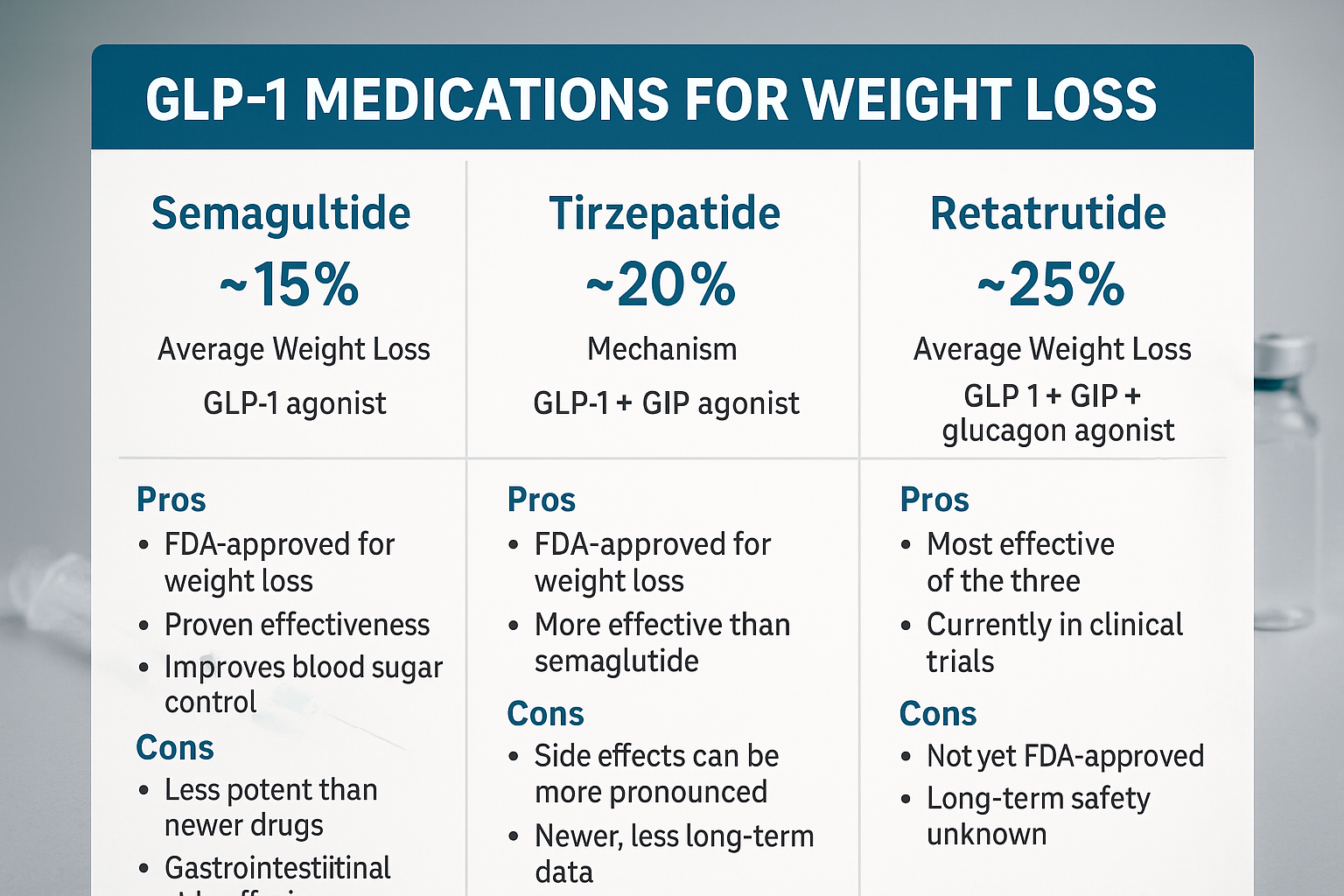
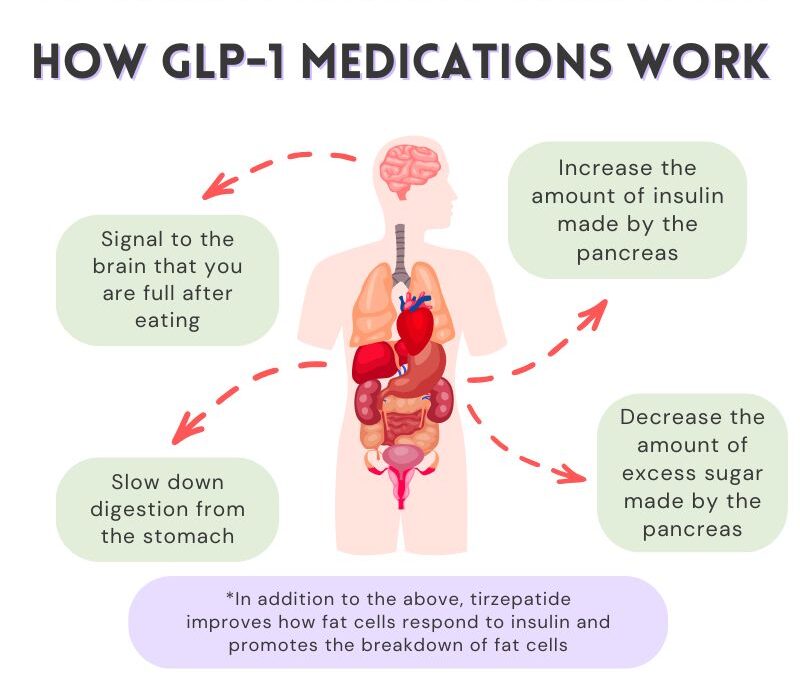
Drug interactions While direct interactions between cagrilintide and tirzepatide are not well-documented, both can affect gastric emptying and potentially impact the absorption of other medications