L.ChaceD
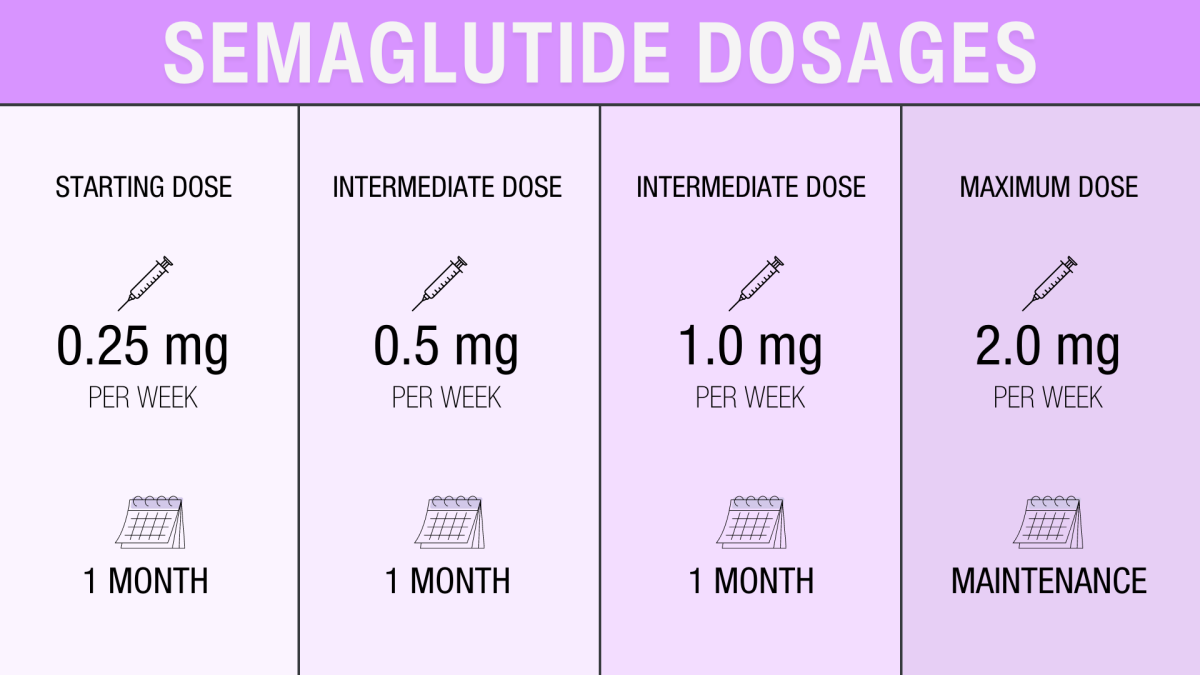
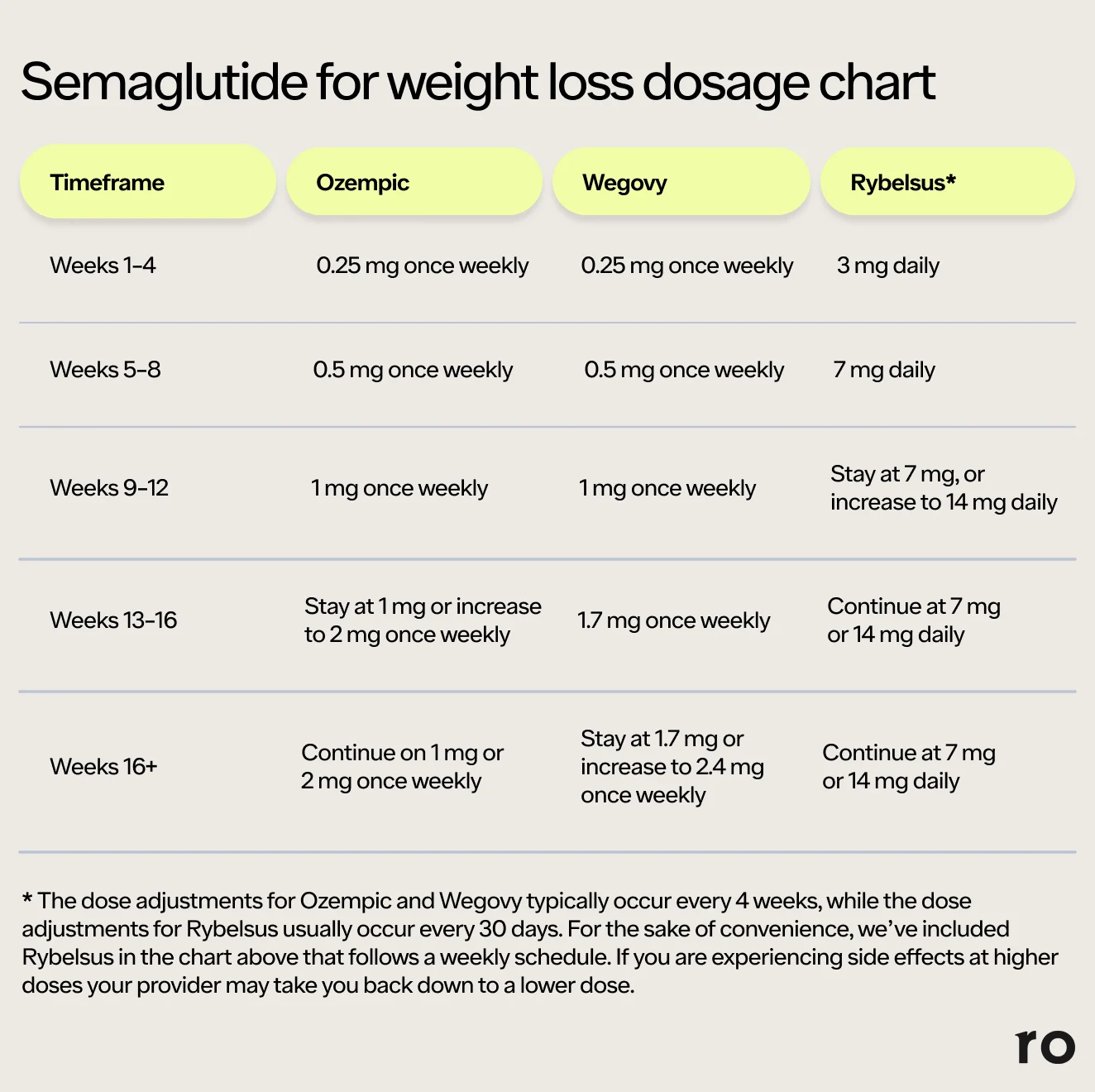
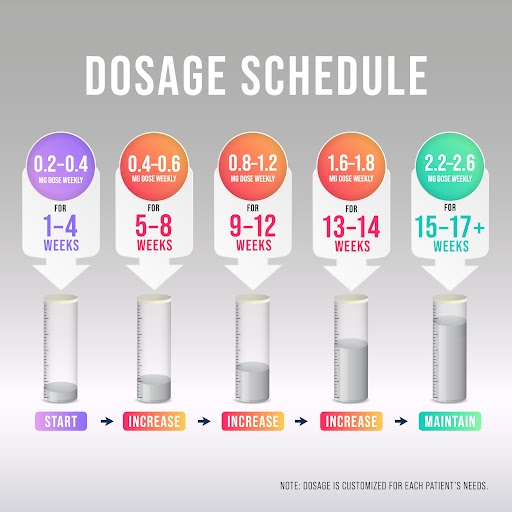
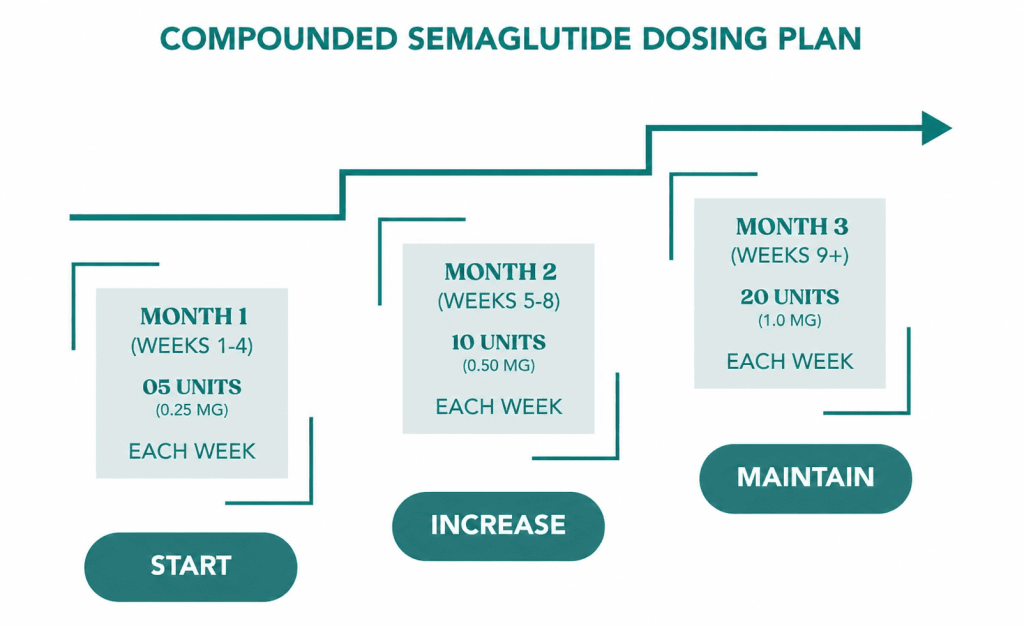
Writing them on your vial label prevents calculation errors during regular use
Possible side effects or risks may include: Injection site pain, redness, or irritation Headache Nausea Fatigue Dizziness Fluid retention Changes in appetite Immune or allergic reactions Unwanted tissue effects Infection risk from improper injection technique Unknown long-term risks Because the long-term safety data for many emerging peptides remains limited, patients should be cautious about anyone promising guaranteed results or claiming that peptide therapy is risk-free
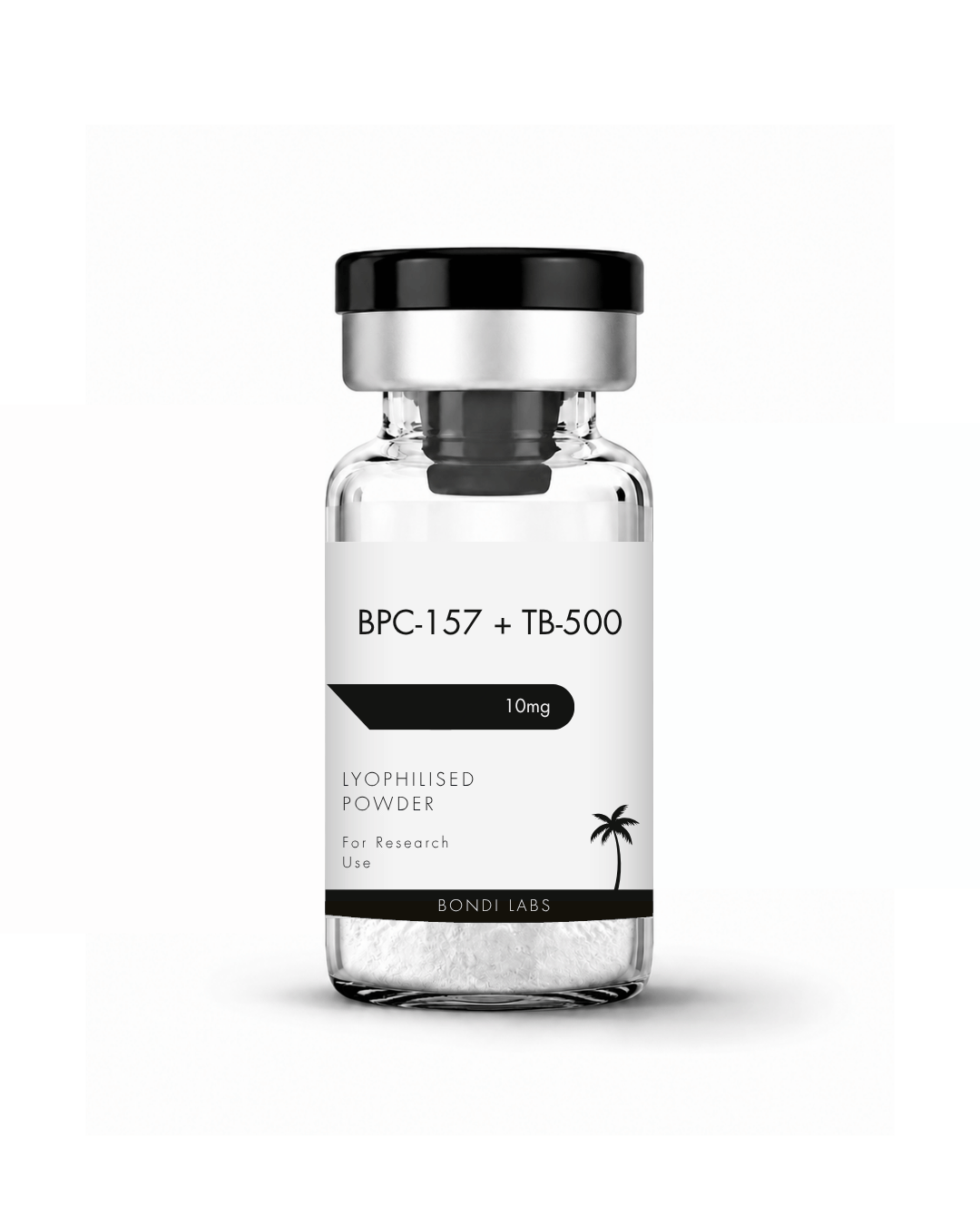
Key dangers include: Overdose or underdose: Errors in calculation can result in receiving far more or far less than the intended amount, leading to severe adverse effects or no therapeutic benefit Microbial contamination: Without pharmaceutical-grade manufacturing conditions, vials may be contaminated with bacteria or fungi, risking serious infection including sepsis Chemical degradation: Improper storage, incorrect diluent, or excessive agitation can degrade the peptide, producing unknown breakdown products Injection site complications: Subcutaneous injections performed without training can cause lipodystrophy, abscess formation, or nerve injury There is also a psychological dimension to consider
Treatment decisions are based on individual health status and clinical judgment